Brand Strategy
Strategy is the map drawn by narrative, and narrative is written through experience.
As you move through life, you encounter problems, relationships, failures, values, and experiences that shape the way you see the world. Over time, these experiences form patterns, and those patterns become understanding. Strategy is the map written by your life that allows you to use your narrative to better understand others, solve meaningful problems, and guide people toward the values they are already searching for. The strongest strategies do not simply generate sales; they create systems, experiences, and communities that help people move their lives forward together.

Problems feel disconnected.

Till narratives order them.

By untangling the stories.
Problems feel isolated because they emerge in infinite directions from a finite set of underlying patterns. Narrative reveals how experiences, goals, relationships, and values connect beneath the surface, allowing strategy to organize them into a coherent path while separating individual stories to uncover the root issue. Different teams can then solve those problems directly before weaving the narrative back together into a coordinated whole. The strongest strategies do not treat the symptoms; they cure the disease.

Price replaces understanding.

Sales people over explain.

Narrative feels effortless.
People seek stories that help move their own stories forward. When businesses communicate only isolated products, consumers are forced into comparison through price, features, and explanation alone. Sales becomes exposition rather than emotional connection. Narrative changes this by weaving products, personalities, relationships, and values together into experiences that feel personally meaningful before the purchase ever happens. When a product has a story, consumers see how it fits into their life. When a brand has a story, consumers see how those stories weave together into a larger narrative.
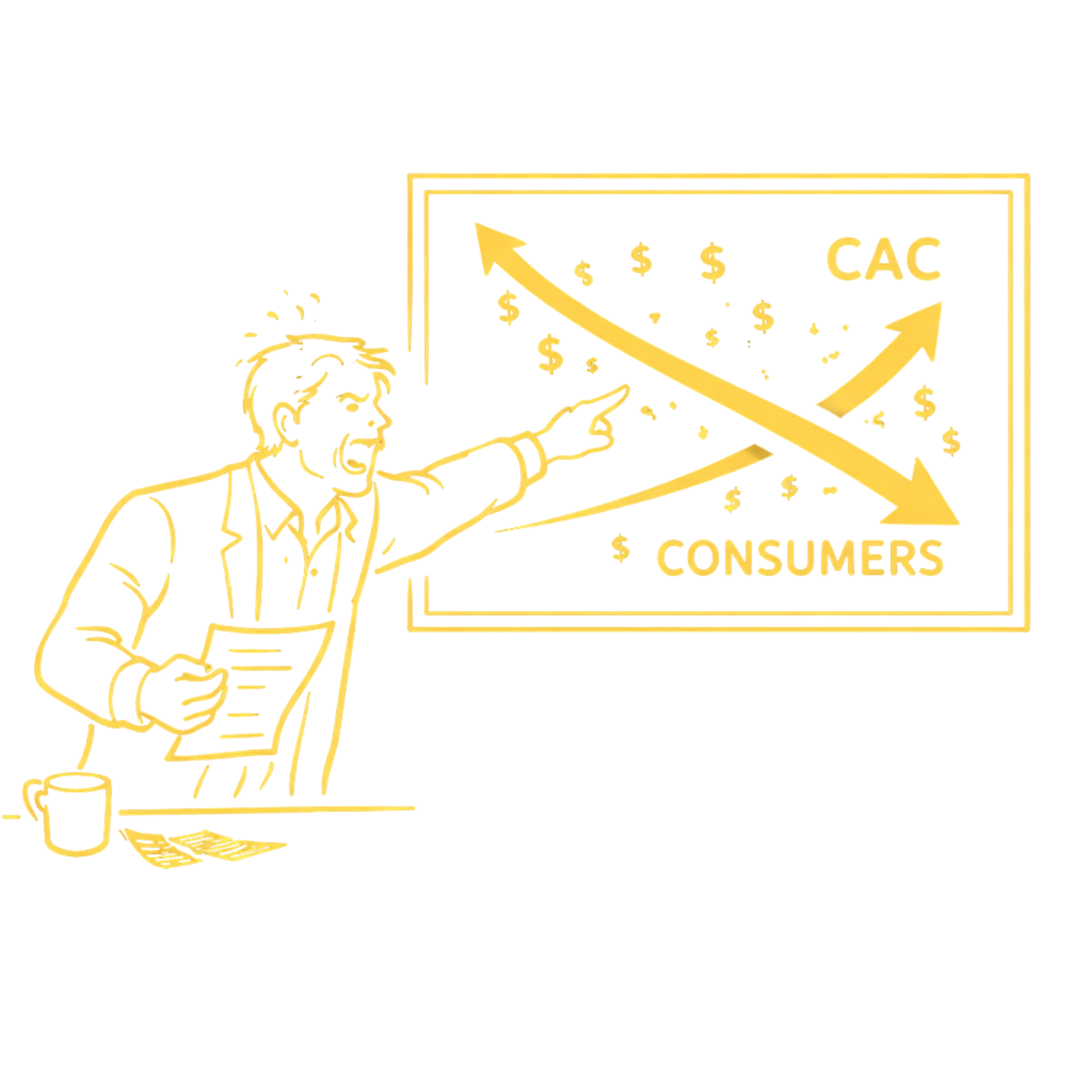
Attention becomes expensive.
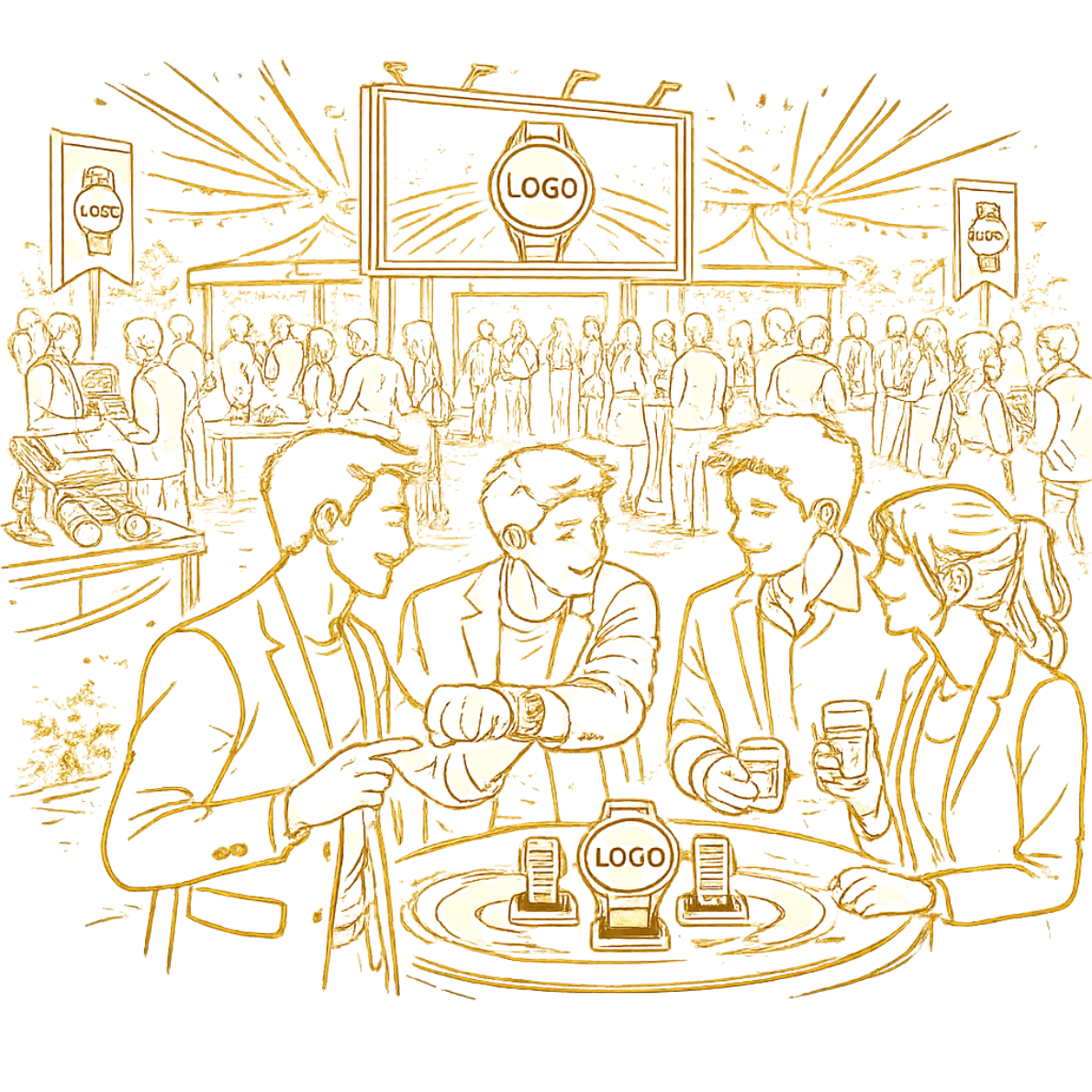
But expeeriences create excitement.
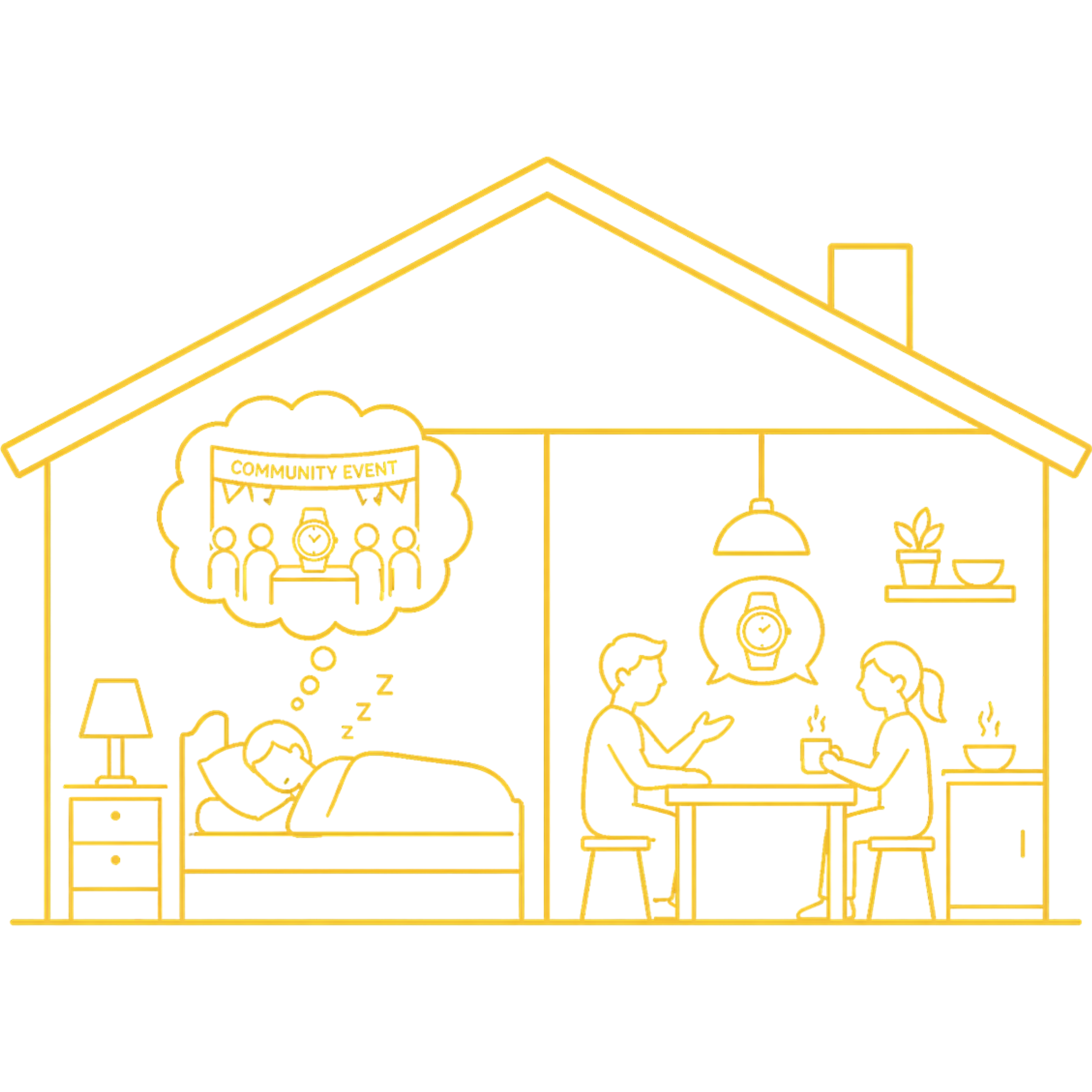
It becomes memory or cconversation.
Businesses spend enormous amounts of money pursuing attention through louder, more frequent, and increasingly expensive advertising that consumers quickly learn to ignore. Affection changes this by drawing people in emotionally rather than fighting for awareness directly. Narrative transforms products into experiences people remember, revisit, and naturally share with others. Excitement turns experiences into memories, and memories into conversations, allowing the narrative to continue spreading long after the original interaction has ended.
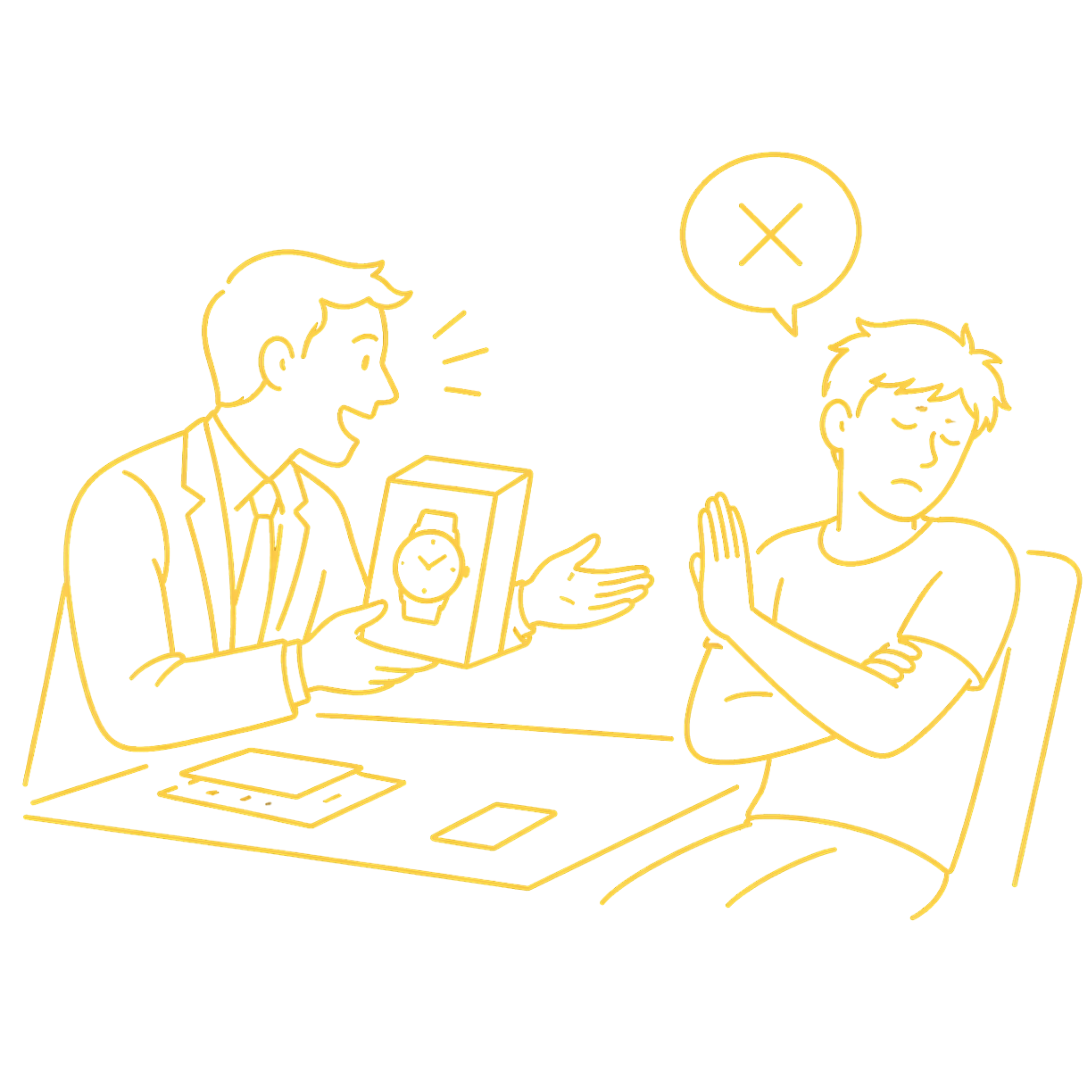
Products explain what they do.
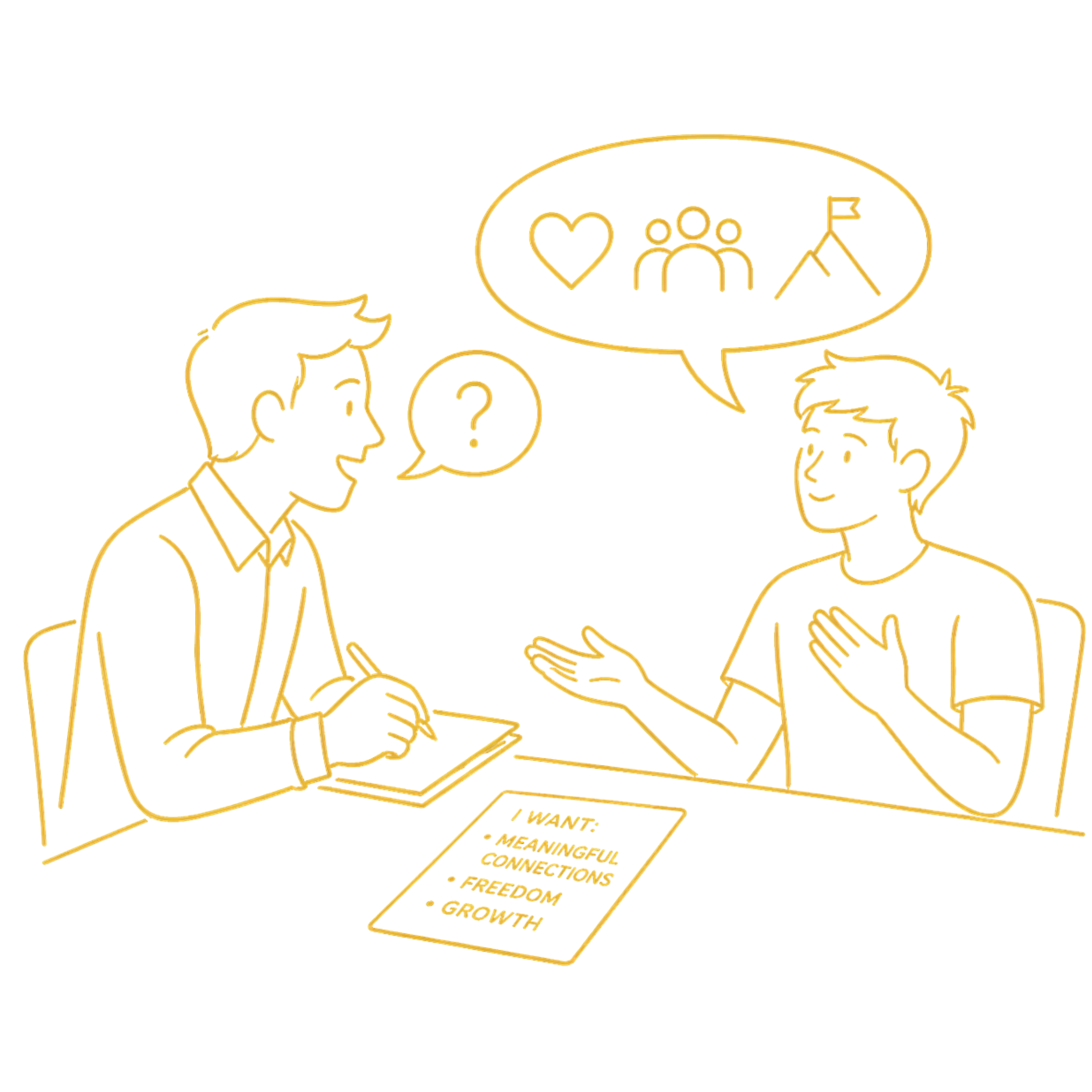
Consumers reveal what they need.

Founders weave new markets.
Product stories give products personality, allowing consumers to emotionally connect with them rather than simply evaluate them. As those relationships deepen, consumer stories begin revealing the deeper needs, values, and aspirations shaping their lives, allowing businesses to create products and experiences that genuinely help people move forward. Strategy organizes those patterns into a coherent narrative that reveals where a community is heading before it fully arrives there. Instead of endlessly competing over the present through advertising alone, businesses can begin building bridges toward the future their audience already wants to reach.
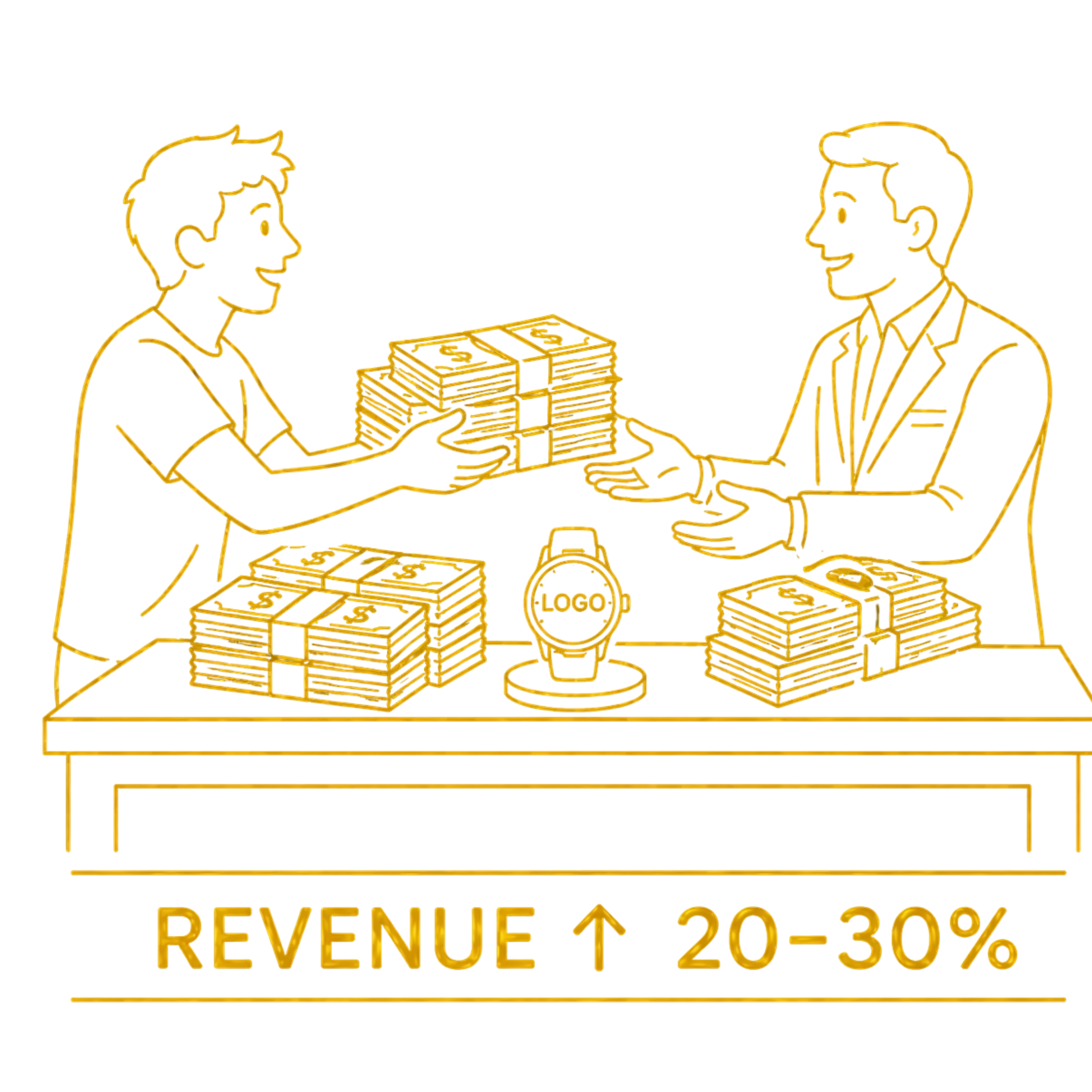
Revenue rises by 25%.
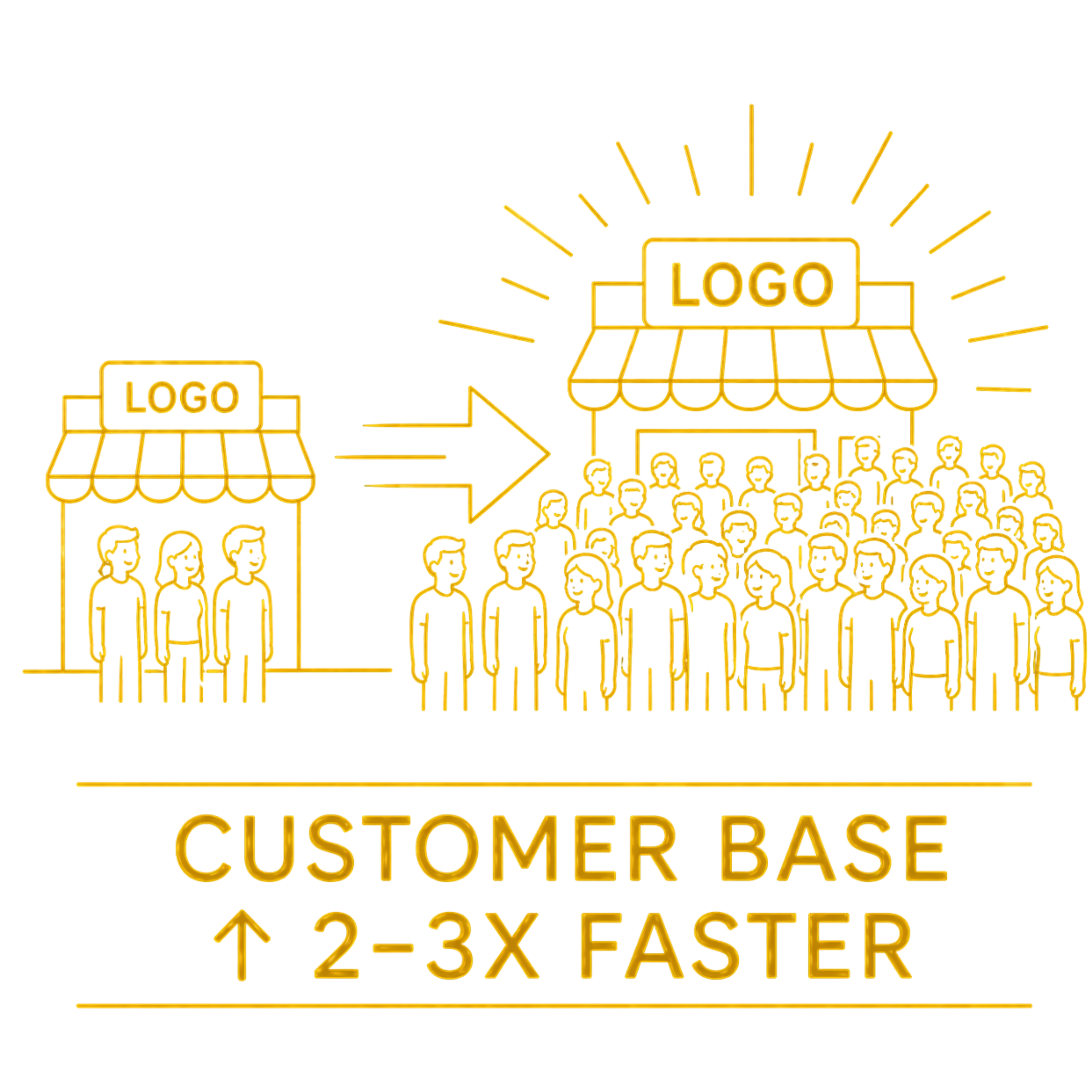
The audience rises 3x faster.
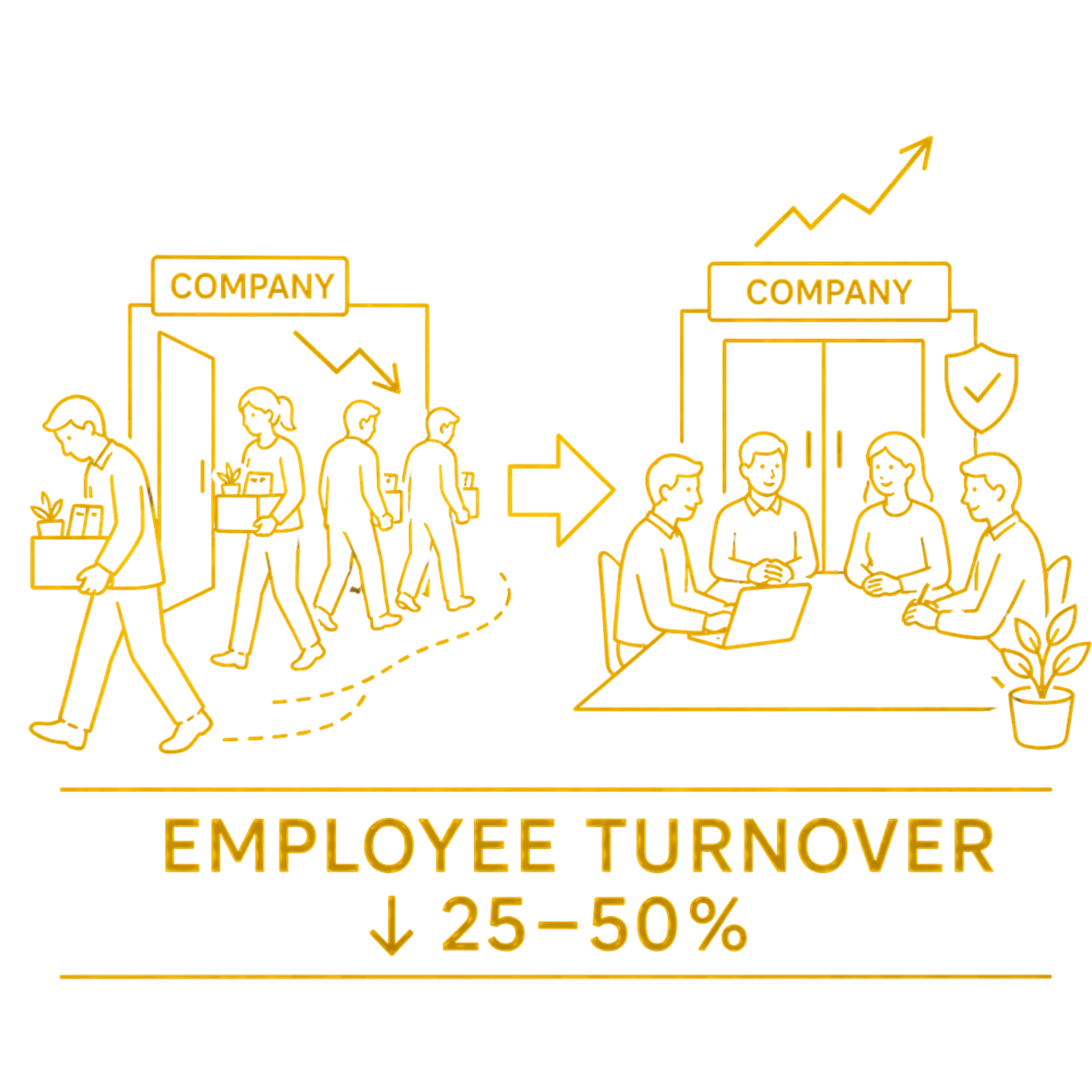
Employee retension rises by 50%.
Revenue rises by up to 25% when products, experiences, and communities align around a shared narrative direction. Audiences grow up to 2–3× faster as emotionally connected consumers begin sharing the experience organically with others. Employee retention rises by up to 50% when teams feel connected to a meaningful mission and future. Together, these effects compound: Brand Strategy can increase long-term growth efficiency by up to 369%, creating up to 4.7× more value from the same organizational effort.