Consumer stories communicate.
Product stories connect.
Founder stories build communities.
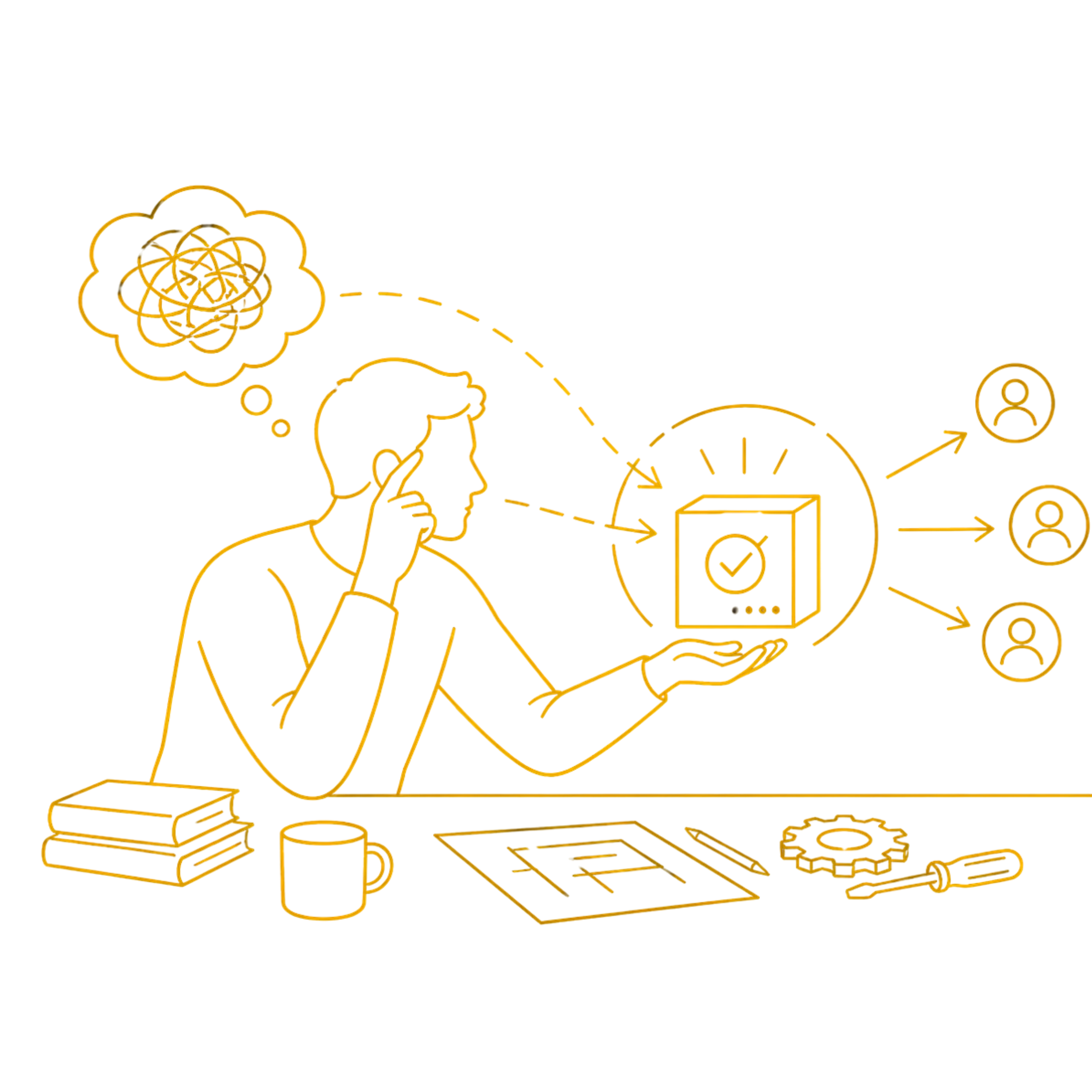
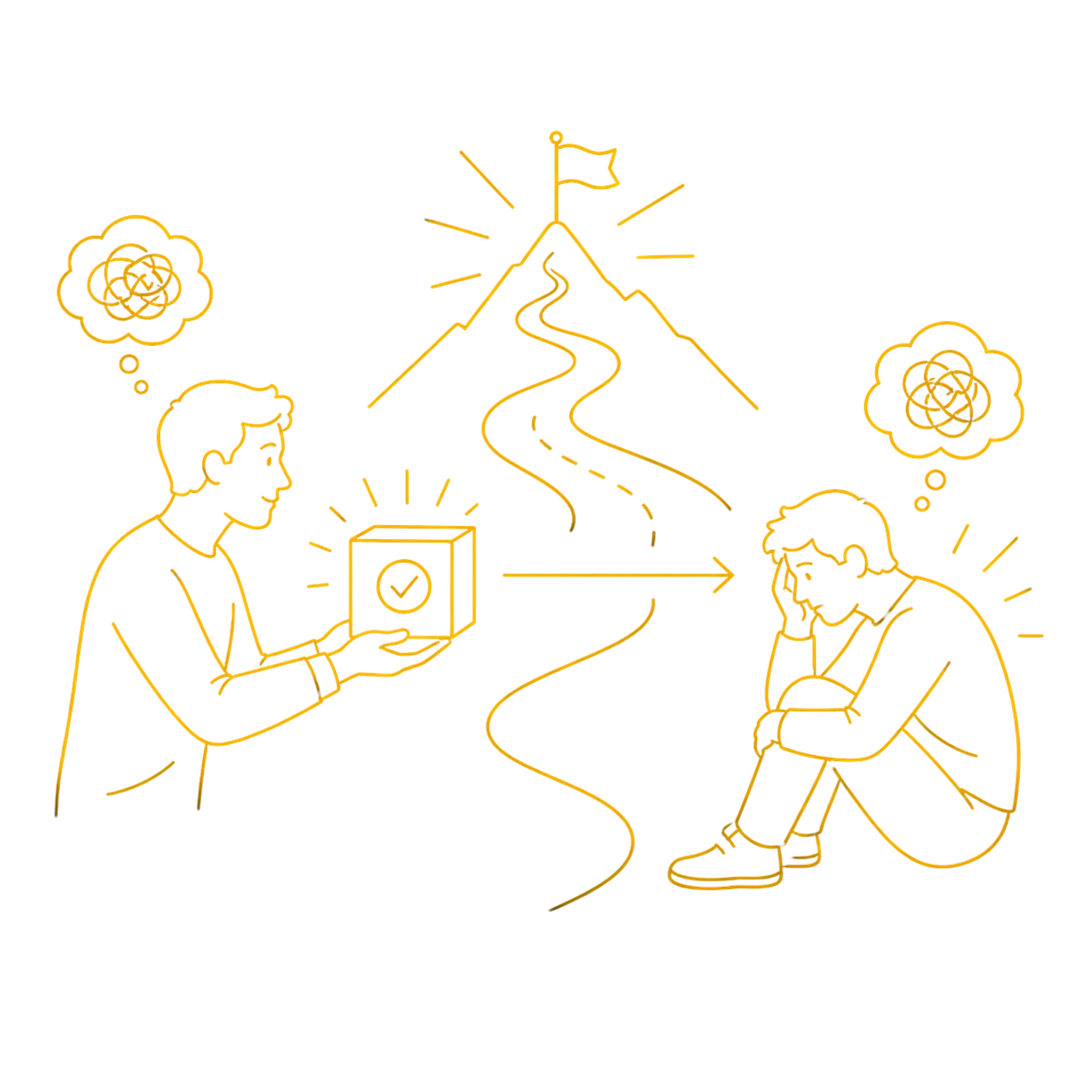
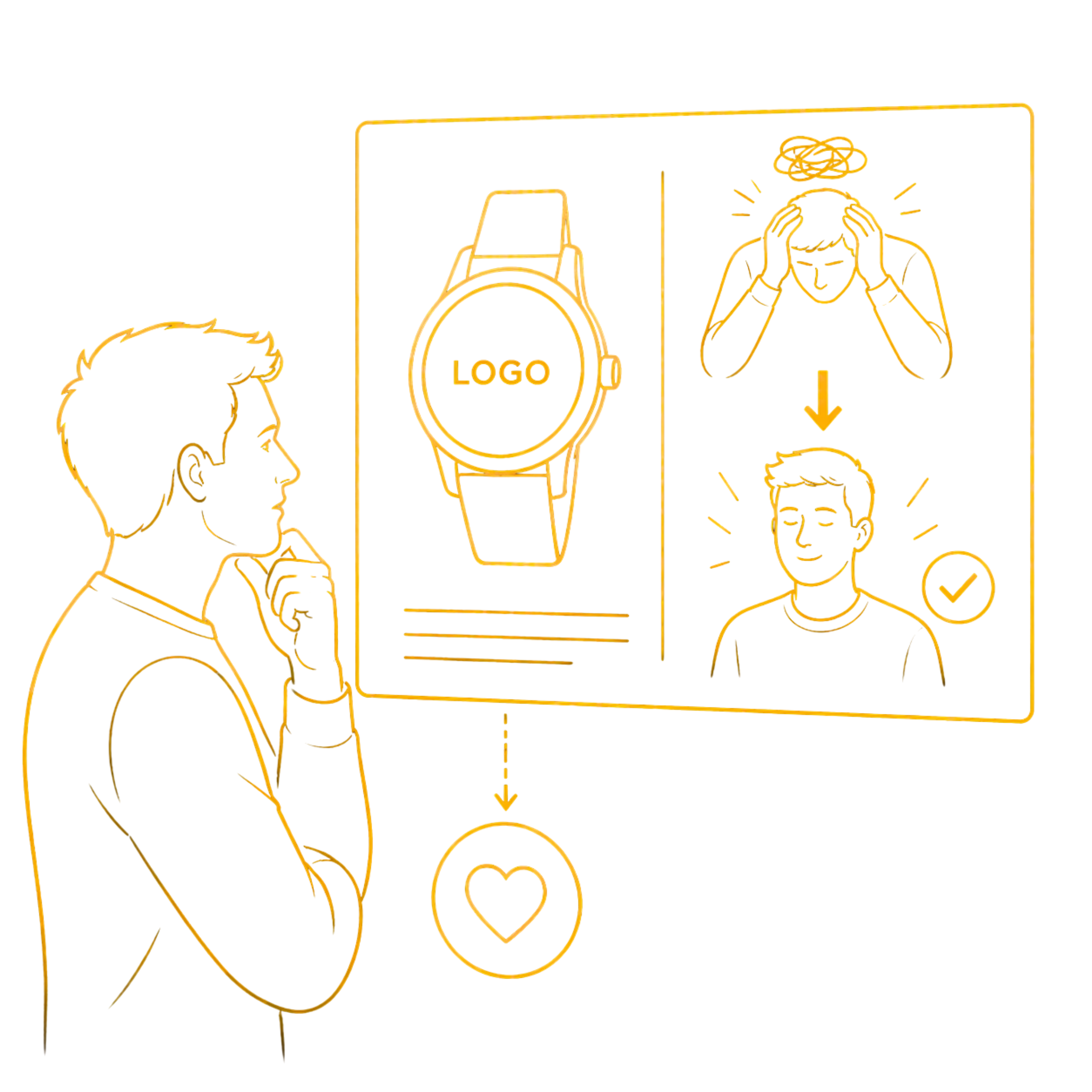
Product stories create connection by giving products recognizable personalities that mirror the emotions, behaviors, beliefs, and values of the people they are meant to serve. Consumer stories reveal the deeper needs, conflicts, and goals shaping where people are trying to go, allowing products to become resonant bridges between confusion and connection. Founder stories unify these paths through shared struggle, discovery, and problem-solving, transforming individual consumer journeys into communities built around collective growth. Together, these stories strengthen one another recursively, weaving isolated experiences into a larger brand narrative that helps people move toward the lives they value most.
Values shape attraction.
Mission drives pursuit.
Purpose defines orientation.
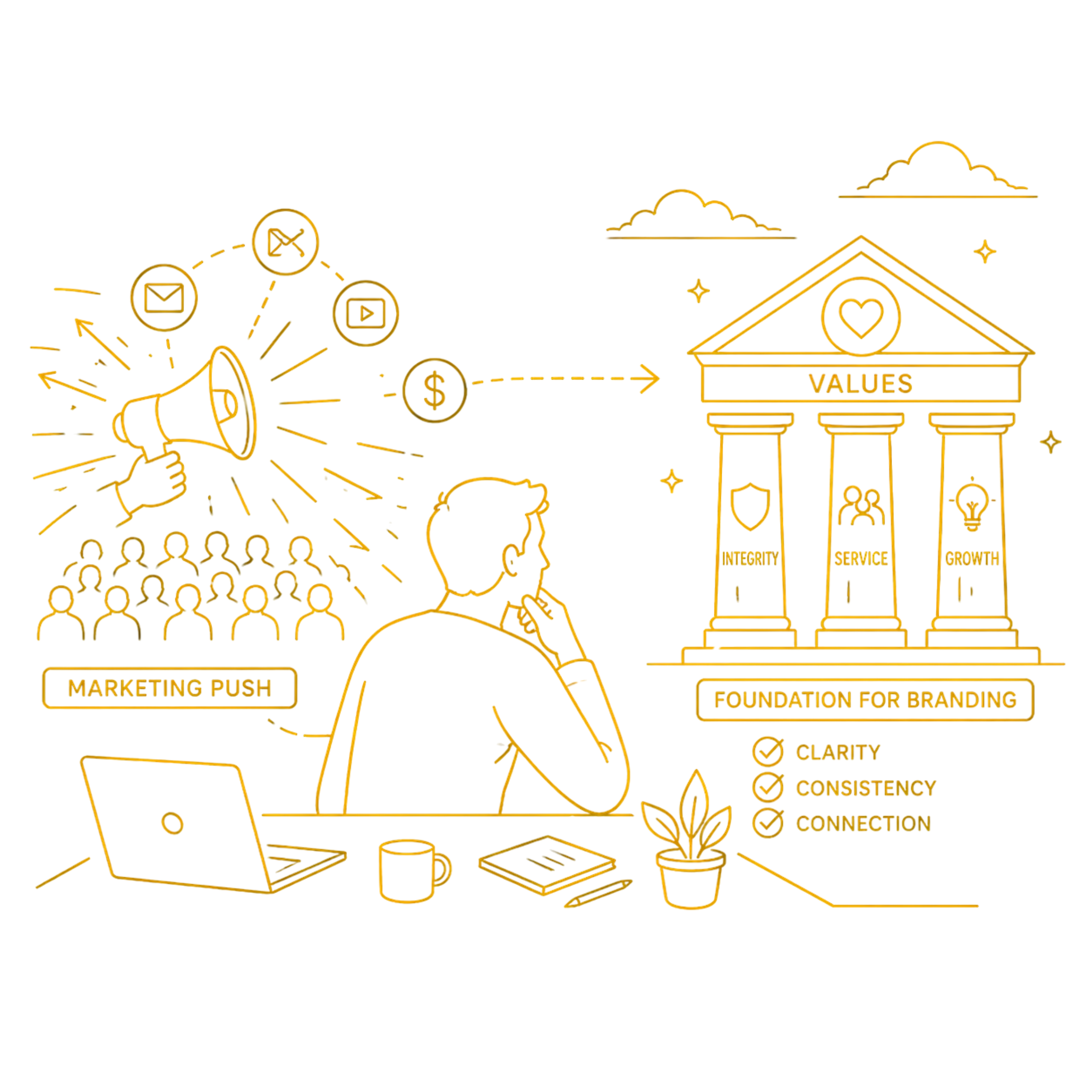
Values determine what a brand is drawn toward and what kinds of people are drawn back in return. Mission transforms those values into action, organizing the behaviors, products, and systems used to solve meaningful problems in people’s lives. Purpose gives those actions direction by defining the future the brand is ultimately trying to help create. Together, values, mission, and purpose align individual stories into collective movement, allowing businesses to build communities not merely around products, but around shared visions of a better future.
Brand Communication is resonance
Brand Identity creates identity
Brand Strategy is narrative
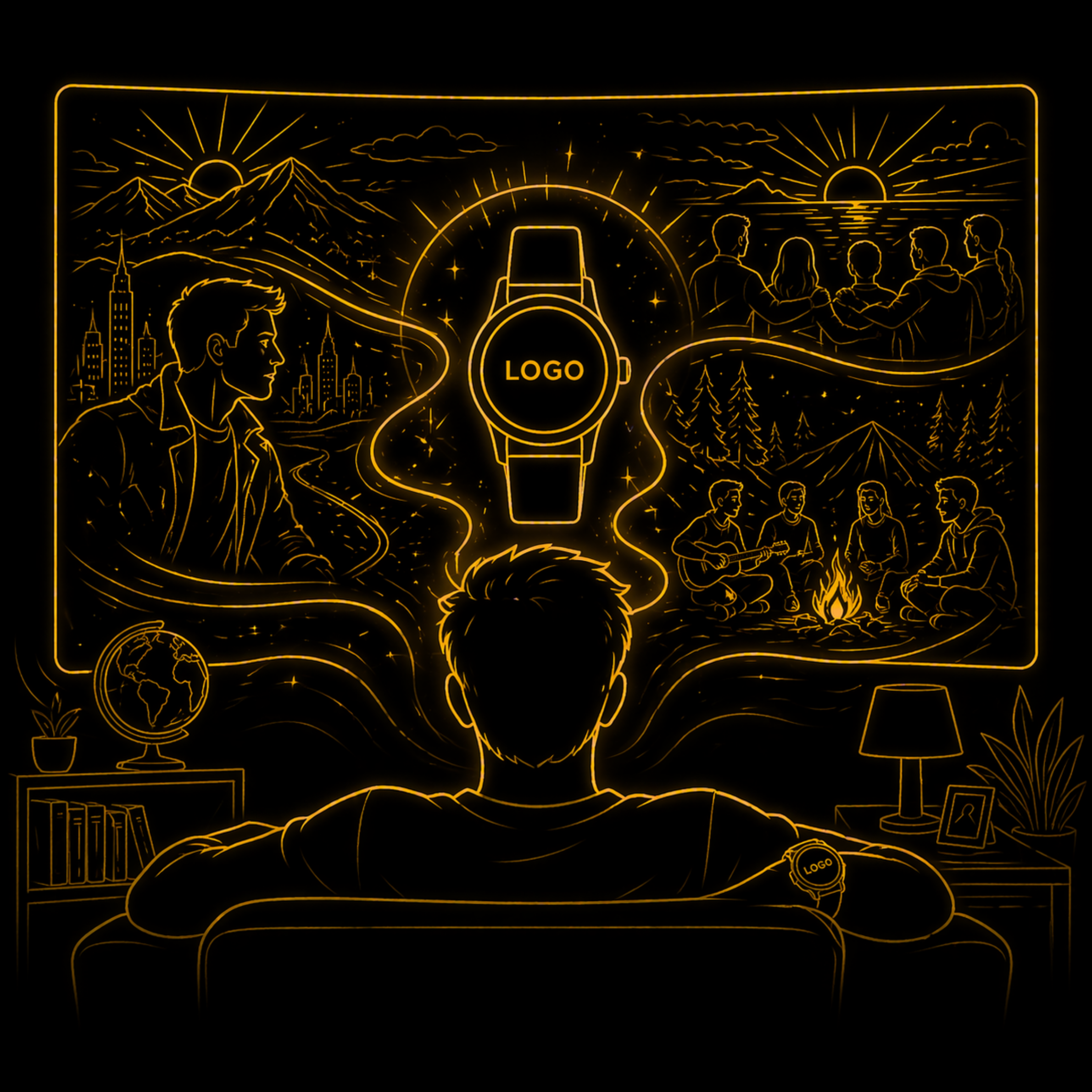
Brand Communication creates resonance and understanding by weaving the product, consumer, and founder stories into a deep thematic narrative that develops immersion, relatability, and engagement with the people it is meant to serve. Brand Identity shifts those themes from fiction into fact through a unified value, mission, vision, and purpose designed to help color your consumer’s lives. Brand Strategy transforms those themes into implementable experiences by applying them to people’s lives, creating lived stories that weave into yours to form a true brand narrative.
Marketing creates relatability.
Advertising creates engagement.
Branding creates immersion.
Marketing communicates stories that resonate with other stories, creating relatability as individuals begin weaving themselves into larger narratives. Advertising transforms that relatability into engagement by connecting the right stories with consumers precisely when those stories matter most in their lives. Branding expands those relationships into immersive narrative systems by weaving individual consumer stories not only into the brand narrative itself, but into one another, compounding relatability, engagement, and immersion over time. The strongest brands do not sell products. They build communities around shared stories that solve people’s problems, allowing those people to recognize the same problems in others and help solve them through sharing your products for you.
Story builds Profit
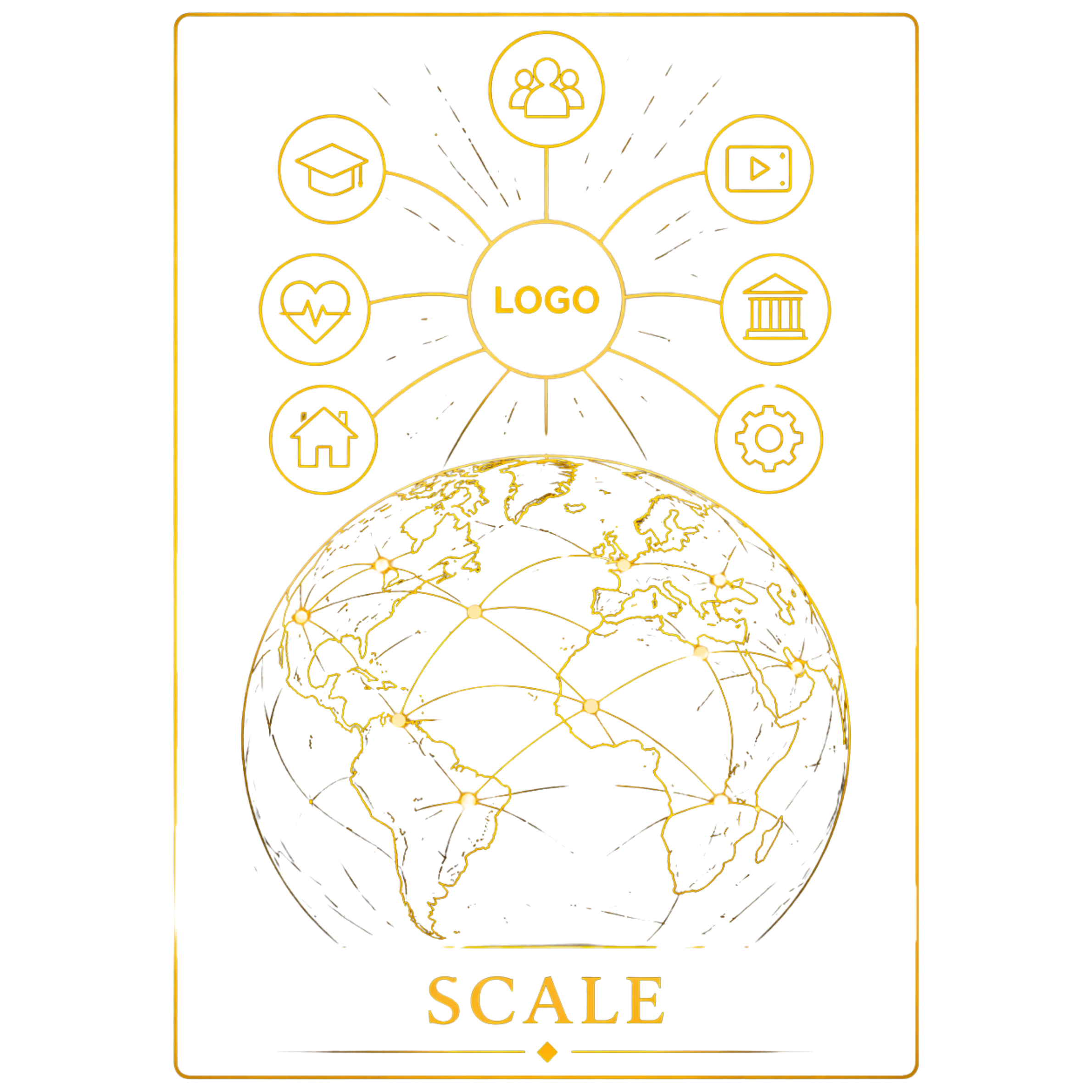
Narrative builds Scale
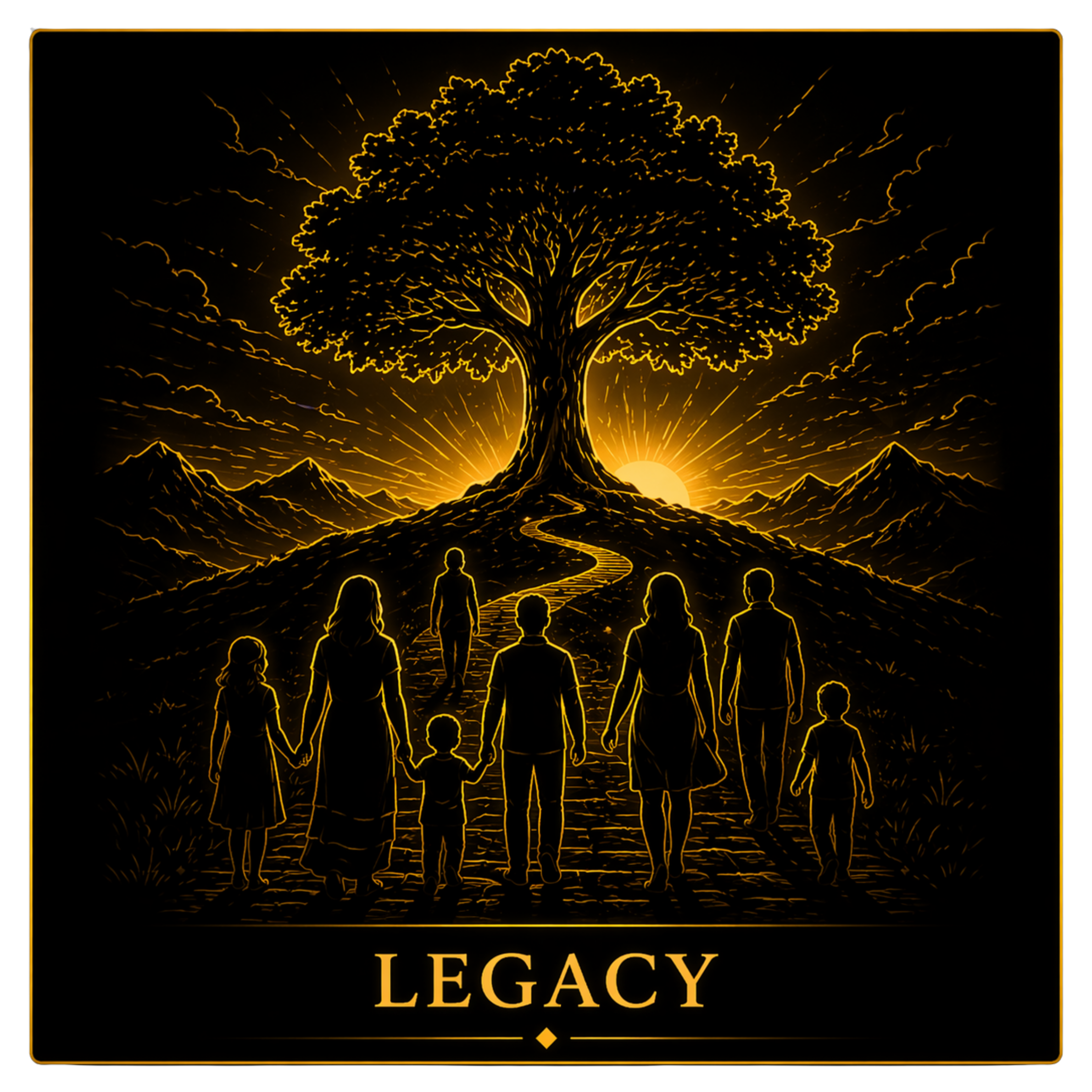
Brand builds Legacy
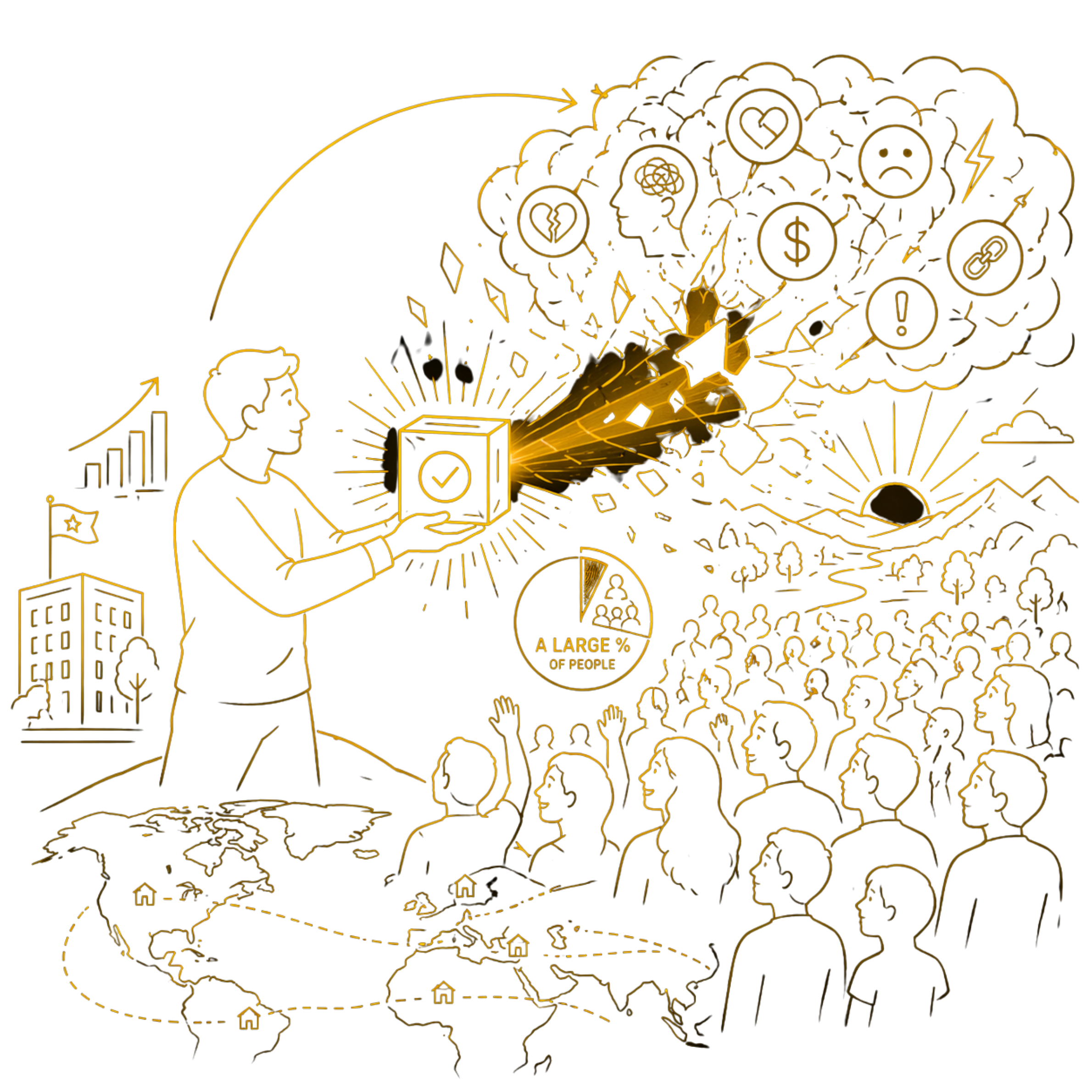
When your story is used to solve the problems that plague other people’s lives, you can create profit by sharing value. That value can be reinvested into building communities that solve shared problems together, increasing the scale of your impact. When that scale pulls individual stories together to help shape civilization and solve problems that persist across generations, you create legacy not only through the problems you solved, but by creating the foundation from which others can continue solving problems as well, forming a positive feedback loop that continuously builds value over time.